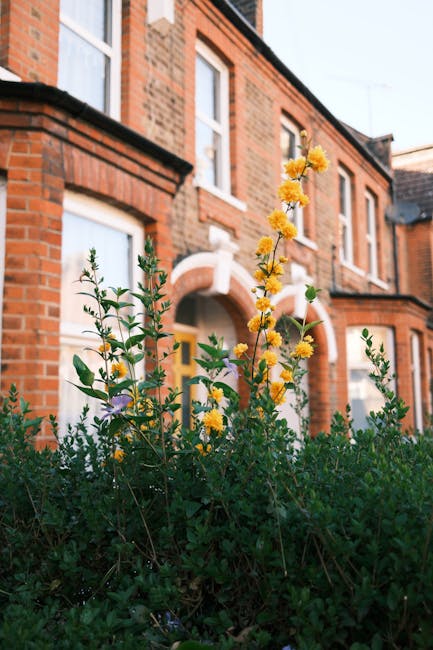
Shadwell gardeners guide to Cable Street front garden makeovers
If your Cable Street front garden feels tired, cramped, patchy, or a bit forgotten, you are not alone. In Shadwell, many front spaces have to work hard: they face foot traffic, wind, shade from neighbouring buildings, and the usual London challenge of making a small area look intentional rather than squeezed in. This Shadwell gardeners guide to Cable Street front garden makeovers walks you through the practical side of transforming that space into something neat, welcoming, and genuinely useful. Not just pretty for a week. Something that still looks good after a wet spell, a windy evening, and a month of normal life.
We will cover how front garden makeovers work, what tends to succeed on Cable Street, what to avoid, and how to choose a design that suits both your home and your day-to-day routine. If you want a quick next step, you can also explore a broader garden makeover guide, or get in touch through the contact page when you are ready to talk through ideas.
Table of Contents
- Why Shadwell gardeners guide to Cable Street front garden makeovers Matters
- How Shadwell gardeners guide to Cable Street front garden makeovers Works
- Key Benefits and Practical Advantages
- Who This Is For and When It Makes Sense
- Step-by-Step Guidance
- Expert Tips for Better Results
- Common Mistakes to Avoid
- Tools, Resources and Recommendations
- Law, Compliance, Standards, or Best Practice
- Options, Methods, or Comparison Table
- Case Study or Real-World Example
- Practical Checklist
- Conclusion
- Frequently Asked Questions
Why Shadwell gardeners guide to Cable Street front garden makeovers Matters
A front garden is not just a decorative strip. In a place like Cable Street, it is part of how your home meets the street. It shapes first impressions, softens hard brick and paving, and can make a property feel calmer and more cared for even before anyone steps inside. That matters more than people sometimes admit. You notice it yourself, walking up to a house with a clipped hedge, tidy edging, and one or two healthy plants; it feels orderly without trying too hard.
Front garden makeovers also carry a practical purpose. Small front spaces in Shadwell often need to balance several demands at once:
- limited width or awkward proportions
- partial shade from buildings or boundary walls
- wind exposure from open streets and corners
- low maintenance expectations for busy households
- privacy, without making the frontage feel blocked in
To be fair, that combination can make planning feel harder than it should. But once you work with the space rather than against it, the results are usually better and easier to maintain. A successful makeover does not have to be lush in the traditional sense. It just has to be well judged.
For many homes, the biggest win is not a dramatic redesign. It is a smarter layout, a cleaner boundary, and planting that survives real weather. If that sounds familiar, the advice in our weather-resilience guide is a useful companion read, especially if your front garden takes the brunt of winter gusts.
How Shadwell gardeners guide to Cable Street front garden makeovers Works
The process is usually straightforward, but it works best when it is ordered. A good front garden makeover begins with observation, not digging. You look at what the space already does well, where water collects, how much sun reaches it, and how people actually move through it. Sounds simple, yet this is where many rushed projects go wrong. The prettiest design on paper can be a nuisance in daily life if bins, bikes, gates, or footpaths become awkward.
In practical terms, a Cable Street front garden makeover often follows five stages:
- Assess the site - size, light, drainage, soil quality, boundary condition, and visibility from the street.
- Decide the purpose - do you want privacy, colour, low maintenance, a place for containers, or a more polished entrance?
- Choose structure first - edging, paving, fencing, hedges, gravel, or planters set the tone.
- Pick plants that suit the conditions - especially for shade, wind, and year-round interest.
- Build in maintenance - because a beautiful front garden that becomes a chore in six weeks is not much of a success.
That final point matters more than most people expect. We often see homeowners fall in love with a design and only later realise it needs weekly attention. If you want something calmer, simpler approaches such as low-maintenance garden ideas and container gardening for small spaces can keep the look sharp without constant effort.
A makeover can be full renovation, or it can be targeted improvements: clear weeds, reset the edges, replant the front strip, and tidy the approach path. Honestly, that is often enough to make the whole property look lifted.
Key Benefits and Practical Advantages
A well-planned front garden does more than improve appearance. It can make your home easier to manage, more welcoming, and more adaptable to the way you live. The strongest projects tend to deliver several benefits at once.
- Better kerb appeal - the property looks looked after, even from a distance.
- Clearer circulation - a sensible layout makes walking, opening gates, and carrying bags less awkward.
- More privacy - the right hedge or screen can soften views without creating a fortress feel.
- Reduced maintenance - tidy borders, mulch, and ground cover can cut down on weeds and repetitive work.
- Improved resilience - plants and materials chosen for local conditions cope better through cold snaps, rain, and wind.
- More seasonal interest - a mix of evergreen structure and flowering detail stops the frontage looking flat in winter.
There is also a quieter benefit: it changes how you arrive home. A small, neat front garden can make the end of a long day feel a bit more settled. You see the clipped line, the healthy leaves, the clean path. It is subtle, but it works.
If privacy is one of your priorities, consider reading strategic privacy ideas with quick-growing hedges. For homes where the boundary needs refreshing too, our fencing service can support a more complete frontage redesign.
| Makeover approach | Best for | Typical feel | Maintenance level |
|---|---|---|---|
| Clean-and-tidy refresh | Small budgets, quick visual impact | Neat, simple, immediate | Low |
| Plant-led redesign | Homes that need softness and colour | Natural, layered, seasonal | Medium |
| Structure-led makeover | Exposed sites, privacy needs, awkward layouts | Strong, organised, practical | Low to medium |
| Full front garden transformation | Long-term property improvement | Most complete and tailored | Depends on design |
Who This Is For and When It Makes Sense
This guide is useful for a few very different people. Some already know exactly what they want. Others just know the front garden is no longer doing its job.
- Homeowners preparing to sell or rent - a tidy front space can improve presentation fast.
- Busy households - if the front garden keeps slipping behind on maintenance, simplification helps.
- People wanting more privacy - especially where the ground floor is overlooked.
- Residents with small or narrow plots - Cable Street homes often need compact, well-chosen solutions.
- Families - where safer surfaces, better access, and less mess matter.
- Anyone living with shade, wind, or patchy soil - because those conditions shape everything.
It also makes sense if you are simply tired of the same view. That happens. A front garden can look "fine" for years and still feel flat. One morning you step outside and think, no, this needs a proper reset. That is usually the right moment to act, not to wait another year.
For smaller or more awkward plots, vertical gardening approaches can unlock space without crowding the walkway. And if you want the garden to become more than a decorative strip, there are thoughtful ideas in our seating design guide, though seating is only realistic where the footprint allows it.
Step-by-Step Guidance
A good makeover becomes much easier when you break it into sensible stages. No heroics needed.
1. Start with a hard look at the existing space
Walk the front garden as if you were arriving for the first time. What catches your eye first? What feels messy? What gets in the way? Look for weeds, broken edging, tired pots, damaged paving, overcrowded planting, and any areas where water sits after rain. In London, drainage can be oddly inconsistent even in tiny front plots, so this is worth checking properly.
2. Decide the main job of the garden
Ask yourself one simple question: what do I need this space to do best? A front garden can do many things, but it should usually prioritise two or three. For example, it might need to be low maintenance and private, or colourful and welcoming, or resilient and tidy. If you try to do everything, it can end up doing none of it well. A bit harsh, but true.
3. Strip back what is not helping
Sometimes the best design move is removal. Overgrown ivy, self-seeded shrubs, broken containers, and patchy turf often hide the actual shape of the garden. A clean start reveals proportions properly. If ivy is taking over walls or corners, this is where our ivy removal advice can be especially useful.
4. Put structure in place
Structure gives the front garden its backbone. That might mean crisp edging, a new path line, gravel with a defined border, low hedging, or a screen to soften the view from the street. In many Cable Street gardens, structure is the difference between "some plants in front" and "a proper design".
5. Choose planting that suits the conditions
Plant choice should match the site, not your first wishlist. For shade, consider evergreen climbers or shade-tolerant shrubs. For exposed spots, choose plants that can handle wind and winter. For a low-maintenance front garden, ground cover and resilient perennials usually beat fussy displays. You can also browse evergreen climbers for shade and ground cover plants that work well in UK conditions.
6. Improve the finish
This is the detail stage: clean paving, refresh mulch, trim hedges, pressure-clean hard surfaces where appropriate, and straighten any loose lines. The smallest details often create the biggest impression. A front garden can be almost done, then suddenly become sharp and complete after the final tidy.
7. Set a maintenance rhythm
Decide how you will keep it looking good. A monthly trim, seasonal feeding, weed removal, and a quick check after storms may be enough. If not, build in scheduled help. A makeover without a maintenance plan is a bit like buying nice shoes and then never polishing them. They won't keep the glow on their own.
If you want professional support for the hard landscaping side of the project, our landscaping service is a practical place to start. For ongoing upkeep, garden maintenance can keep the frontage from sliding back into the old habits.
Expert Tips for Better Results
In our experience, the best front garden makeovers are not the most expensive ones. They are the ones where every decision has a reason. A few focused tips make a big difference.
- Use repetition sparingly - repeating one plant or material can create calm, but too much repetition can flatten the design.
- Think in layers - low ground cover, mid-height planting, and one or two stronger vertical elements usually look better than random clusters.
- Keep the path clear - no one enjoys squeezing past overgrown foliage with shopping bags in hand.
- Choose evergreen structure - it keeps the garden presentable in winter when many deciduous plants go quiet.
- Work with the street view - the garden should read well from outside, not just from the front step.
- Trim before it gets messy - hedge trimming is easier when done early and regularly; letting it run away only creates a bigger job later.
For hedges in particular, a light and regular approach usually looks cleaner than an occasional heavy cut. If that is a priority for you, the hedge trimming service in Shadwell and the related article on creative hedge trimming techniques are both worth a look.
Another practical tip: avoid filling every metre of the frontage with planting. Leave some visual breathing room. A little negative space makes the stronger features stand out. It sounds fancy, but really it just means not stuffing the whole thing full.
Common Mistakes to Avoid
Most disappointing front garden makeovers do not fail because of one huge error. They fail because of several small ones made at the same time.
- Choosing plants for looks only - if the site is shady, windy, or dry, the wrong plants will struggle.
- Ignoring maintenance - fast-growing planting can become a burden if trimming and deadheading are not realistic for your routine.
- Blocking access - front gardens still need practical movement, bins, gates, and safe entry.
- Mixing too many materials - gravel, bricks, sleepers, pots, and colourful edging can start to fight each other.
- Letting weeds return immediately - a clean makeover needs weed control to stay clean.
- Forgetting the boundary - the fence, hedge, or wall is part of the composition, not just a border.
We also see people overcommit to high-maintenance lawns in small front spaces. In truth, front lawns look lovely when healthy, but they can be fussy in narrow urban plots. If that sounds familiar, read more about lawn care and regular lawn mowing before deciding whether grass is really the best fit.
One more thing: do not assume a front garden must be symmetrical to look good. Balance matters more than perfect symmetry. That's a useful relief for anyone dealing with an odd-shaped plot.
Tools, Resources and Recommendations
You do not need a van full of specialist kit to improve a front garden, but a sensible toolkit makes the work cleaner and safer.
- secateurs and hedge shears for trimming
- spade, hand trowel, and fork for planting and soil prep
- sturdy gloves and protective footwear
- weed scraper or hoe for surface weeds
- rake for clearing leaves, stones, and debris
- watering can or hose for establishment watering
- mulch or decorative aggregate, depending on the design
For long-term results, it helps to connect the design with the right support services. A makeover often includes more than planting. You may need a clean path, a stronger edge, a fresh boundary, or a stripped-back area before replanting. That is where services such as patio cleaning can freshen hard surfaces, while fencing and tree surgery can resolve boundary and light issues that affect the whole front garden.
For planting inspiration, the blog content on UK-friendly ground cover plants and low-spread options for neat fronts can help if you want a softer finish without a lot of visible bare soil.
Law, Compliance, Standards, or Best Practice
For a front garden makeover, the main thing is to stay sensible and compliant with local conditions, access needs, and any boundary responsibilities. If the work touches shared walls, neighbouring property lines, tree roots, or changes to access, it is wise to check the situation carefully before starting. That is just good practice, and it prevents awkward conversations later. Nobody enjoys those.
A few general UK best-practice points are worth keeping in mind:
- Do not obstruct the public highway or pavement with materials, waste, or temporary structures.
- Be cautious with drainage if replacing lawn with impermeable surfaces; avoid creating runoff problems.
- Handle trees and hedges responsibly if they are close to boundaries or affect light and access.
- Use safe working methods for tools, lifting, and waste removal.
- Check the terms of ownership or lease if the frontage is not entirely under your control.
Safety also matters, even on small jobs. Proper footwear, eye protection when cutting, and sensible lifting habits are not overkill. If you are hiring help, it is reasonable to ask about insurance and site safety. Our insurance and safety information and health and safety policy are there for exactly that reason.
On the trust side, it is also fine to want clear terms, secure payment, and an understandable complaints route. Professional work should feel straightforward. If you ever have questions about process or expectations, the terms and conditions, payment and security page, and complaints procedure are practical references.
Options, Methods, or Comparison Table
Front garden makeovers usually come down to a few methods. The best choice depends on how much change you want and how much upkeep you can realistically live with.
| Method | Best used when | Pros | Trade-offs |
|---|---|---|---|
| Plant-led refresh | The structure is already decent | Soft, natural, adaptable | Needs seasonal care |
| Hardscape-led makeover | The layout feels unclear or messy | Strong lines, easier maintenance | Less forgiving if overdone |
| Privacy-led redesign | The frontage is too exposed | More seclusion and shelter | Can block light if poorly planned |
| Low-maintenance frontage | You want a simple routine | Quick upkeep, neat all year | Can feel plain without good texture |
For many Cable Street homes, a mixed approach works best: a tidy hard edge, a plant-led soften-up, and one privacy element where needed. That combination is often enough. You do not always need a dramatic rebuild. Sometimes the most effective result is the one that looks almost inevitable, as if the garden was always meant to be that way.
Case Study or Real-World Example
Here is a realistic example based on the kind of front garden we often see in Shadwell. A homeowner on a narrow Cable Street terrace had a frontage that was mostly tired gravel, a few patchy shrubs, and weeds returning around the edge after every wet week. The space was not big, but it was visible from the street and felt more cluttered than cared for.
The makeover started with a tidy clear-out. Overgrown material came out first, followed by a simple redefinition of the border. The owner wanted privacy at eye level without making the garden feel boxed in, so the design used a slim, structured hedge line with a couple of containers for seasonal change. The remaining planting was chosen for resilience rather than novelty. Nothing too needy. No diva plants, if you like.
After that, the path was cleaned and the front step area made more welcoming. The result was not flashy, but it felt calmer immediately. From the street, the frontage read as neat and deliberate. From inside, it felt easier to manage. The owner said the best part was that it stopped nagging at them every time they came home. That is a small thing, but it matters.
If you are planning something similar, pairing your makeover with general gardening services and, where needed, lawn care support can keep the result consistent rather than patchy.
Practical Checklist
Use this before you start work, or before you ask for help.
- Measure the front garden properly
- Check sun, shade, wind, and drainage
- Decide the main goal: privacy, neatness, colour, or low maintenance
- Remove weeds, dead plants, and broken items
- Inspect paths, steps, and edging for damage
- Choose a structure: hedge, fence, border, gravel, or containers
- Select plants suited to the site conditions
- Plan how you will water and maintain the garden
- Check access and make sure the layout stays practical
- Confirm any boundary or safety considerations before major changes
- Arrange disposal of green waste and debris
- Set a simple upkeep routine after the work is done
Expert summary: The most successful Cable Street front garden makeovers are usually the ones that combine structure, the right plant choices, and a maintenance plan you can actually keep. Pretty is good. Practical is better. Pretty and practical together is the sweet spot.
Get a free quote today and see how much you can save.
Conclusion
A strong front garden makeover on Cable Street is less about chasing trends and more about making the space fit its real life. In Shadwell, that usually means thinking about narrow plots, changing light, wind, privacy, and the need for something attractive that does not become a burden. When those parts line up, the result can be quietly transformative.
Start with structure. Choose plants that deserve their place. Keep maintenance realistic. And do not underestimate the difference a clean edge or a well-chosen screen can make. Sometimes the biggest improvement is simply seeing your front garden as a useful part of home, not an awkward strip to put up with. That shift changes everything, really.
If you are planning a refresh, a more complete redesign, or just want to know which direction suits your property best, take it one step at a time. Good gardens rarely arrive all at once. They settle in. And when they do, they feel like they were always meant to be there.
Frequently Asked Questions
What is the best first step in a Cable Street front garden makeover?
Start by clearing the space and assessing what is already there. Look at light, drainage, weeds, access, and any tired boundary features before choosing plants or materials.
How can I make a small front garden look bigger?
Use simple lines, restrained planting, and one or two strong focal points rather than lots of small details. Leaving some open space helps the area feel less crowded.
What plants work best in a Shadwell front garden?
It depends on the conditions, but evergreen structure, hardy shrubs, shade-tolerant plants, and reliable ground cover often perform well in urban front gardens.
Do front garden makeovers need planning permission?
Not always, but any work that changes drainage, affects a boundary, or alters access should be checked carefully. If the garden has leasehold or shared elements, confirm responsibilities first.
How do I keep my front garden low maintenance?
Choose hardy plants, use mulch or ground cover, keep the design simple, and avoid high-maintenance features that need constant attention. Regular light upkeep is easier than big recovery jobs.
Is gravel a good choice for a front garden?
It can be, especially for neatness and drainage, but it needs proper edging and weed control. Gravel works best when it suits the house style and access needs.
What should I do about ivy in the front garden?
If ivy is spreading aggressively, it is worth removing it carefully before redesigning the space. Ivy can hide damaged surfaces and make boundaries harder to maintain.
How much of a makeover can be done in one visit?
That depends on the size and condition of the garden. Some spaces only need clearing, trimming, and re-edging. Others need a fuller landscaping approach. A site visit usually makes the scale clearer.
Can a front garden still have privacy without looking closed off?
Yes. Low hedging, layered planting, and partial screening usually provide privacy more elegantly than tall, solid barriers. It is about softening views, not sealing the place up.
How often should a front hedge be trimmed?
That depends on the species and growth rate, but many front hedges benefit from regular light trimming rather than rare heavy cuts. It keeps the shape tidy and easier to manage.
What if the front garden gets a lot of wind?
Choose sturdy planting, avoid flimsy tall features, and think carefully about boundaries and shelter. Wind-tolerant structure is more valuable than delicate ornament in exposed spots.
How do I know whether to replace the lawn or keep it?
If the lawn is patchy, shaded, or difficult to maintain, a different surface or planting scheme may be smarter. If it still works well and fits your routine, keep it and improve the edges instead.
Where should I go if I want help with the project?
You can start by reviewing the service pages and then speaking with the team through the contact page. That is usually the easiest way to discuss your space and next steps.