Gardeners costs in Shadwell real cost breakdown
If you've ever looked at a gardening quote and thought, "Wait, what am I actually paying for here?", you're not alone. Garden maintenance can seem simple from the outside, but the final price often reflects a mix of labour, access, waste removal, specialist equipment, and the amount of time the job really takes. This guide gives you a grounded, no-nonsense look at Gardeners costs in Shadwell real cost breakdown, so you can judge quotes properly, avoid nasty surprises, and decide what kind of service actually fits your garden and budget.
We'll walk through the cost drivers, what changes the price in a place like Shadwell, how to compare services fairly, and where homeowners and landlords often overspend without realising it. You'll also find a checklist, a comparison table, a practical example, and a few realistic tips that can save money without turning your garden into a weekend battlefield.
Why Gardeners costs in Shadwell real cost breakdown Matters
Let's face it: most people don't buy gardening labour as a luxury item. They buy it because the grass is creeping over the path, the hedge looks like it has opinions, or the back garden has quietly turned into a small jungle. That's exactly why understanding the cost breakdown matters. If you only compare the headline price, you can miss the real value hidden in the quote.
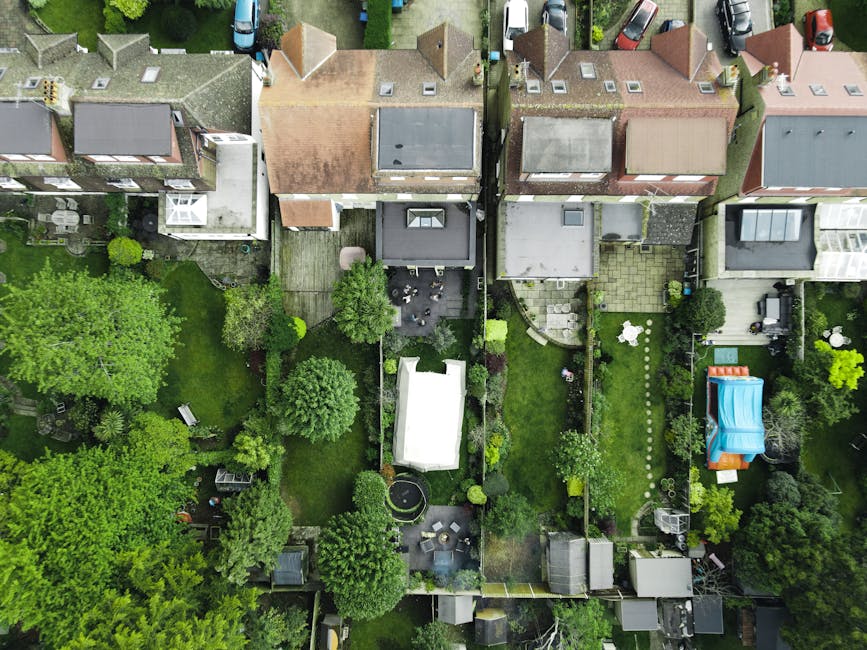
In Shadwell, this matters even more because many gardens are compact, access can be awkward, and jobs often need more careful time planning than a simple "half day in the sunshine" estimate. A narrow side passage, communal access, basement steps, on-street parking, or the need to work around neighbours can all affect labour time. Small spaces can still be fiddly. Sometimes they're fiddlier, actually.
A proper breakdown helps you answer the right questions:
- Is this quote based on labour only, or does it include waste removal?
- Are tools and fuel included?
- Is the garden maintenance a one-off clear-up or a recurring visit?
- Does the price rise for hedge height, tree work, or tough overgrowth?
- Will I be charged extra for green waste, heavy bags, or difficult access?
That clarity is valuable whether you're a homeowner tidying up before guests arrive, a landlord preparing a tenancy, or simply someone trying to keep a low-maintenance rhythm through the year. For broader planning, many people also use the pricing and quotes guidance alongside service-specific pages like garden maintenance or lawn care so they can compare like for like.
How Gardeners costs in Shadwell real cost breakdown Works
A garden quote usually combines a few moving parts. The base cost is rarely just "a gardener for two hours." It's more often a blend of time, task type, disposal, and whether the work is routine or specialist. That is the heart of a real cost breakdown.
Here's the practical way to think about it:
- Labour time - the main cost driver. More work means more time, and complicated work costs more time than you'd expect.
- Task complexity - mowing is different from removing dense ivy, reducing hedges, or clearing a neglected plot.
- Equipment use - a basic tidy-up may need little more than hand tools, but heavier jobs can require powered equipment.
- Waste and disposal - green waste, timber, soil, or mixed waste may need loading, transport, and disposal fees.
- Access and logistics - limited parking, difficult entry, shared spaces, or upstairs access can all slow things down.
- Frequency - one-off work tends to cost more per visit than regular maintenance, because regular gardens stay easier to manage.
A realistic quote should reflect all of that. If it doesn't, you may get a cheap first impression and a pricey surprise later. Not ideal. In our experience, the jobs that cause the most confusion are usually the ones where a garden "looks small" but hides dense growth, wet soil, old leaves, broken edging, or a lot of cut material.
For local readers who want to match service type with budget, the gardening services page is a useful starting point, while hedge trimming in Shadwell is more relevant when the work is dominated by height, shape, and regular cutting rather than general tidying.
Key Benefits and Practical Advantages
Understanding the real cost breakdown does more than save money. It helps you buy the right outcome. That sounds obvious, but people often skip straight to price and then wonder why the result feels half-finished.
- Better budgeting: You can set aside money for the actual job, not a vague guess.
- Fewer disputes: Clear scopes reduce awkward "that wasn't included" conversations.
- Fair comparisons: Two quotes only make sense when they cover the same work.
- Improved garden health: Routine work prevents bigger problems, especially with weeds, overgrowth, and lawn decline.
- Less stress: A garden that's under control is simply easier to live with. You notice it on wet Monday mornings, when the path is clear and you're not dodging brambles.
There's another benefit people underestimate: decision speed. Once you know the price logic, you can act earlier. You don't have to wait until the garden becomes a full weekend project, or worse, a job you keep avoiding because it feels too big. Small, consistent maintenance is usually easier on the wallet than panic clean-ups after months of neglect.
If your garden needs regular attention rather than a one-off rescue, it may be worth reviewing lawn mowing and garden maintenance together. That combination often gives a more stable and predictable budget than ad hoc jobs every time the grass or hedges get out of hand.
Who This Is For and When It Makes Sense
This topic is for anyone who wants a cleaner, healthier outdoor space without paying blindly. That includes a lot of people:
- Homeowners who want regular upkeep without overspending
- Landlords preparing a property for new tenants or inspections
- Buy-to-let owners who need dependable garden presentation
- Busy families who want the garden usable, not perfect
- Older residents who prefer professional help for heavier work
- People with small gardens who think the job should be cheap, then discover how fiddly small spaces can be
- Anyone dealing with hedges, ivy, weeds, or lawn damage
It makes sense to pay attention to a proper cost breakdown when the job is more than a quick sweep. For example, if the garden includes overgrown hedging, weather damage, broken fencing, or a patio that needs attention, the service scope starts to expand quickly. In those cases, a generic "gardener price" is about as useful as asking how long a piece of string is. You need the job broken down properly.
Sometimes the right solution is not a one-off gardener at all. A tidy garden with monthly care may be cheaper over six months than repeated emergency visits. If you're weighing up options, it may help to compare patio cleaning, fencing, and decking services if the outdoor area needs more than basic plant care.
Step-by-Step Guidance
Here's a sensible way to approach a quote so you know what you're really buying.
- List the work clearly. Write down what actually needs doing: mowing, hedge trimming, weeding, leaf clearance, ivy removal, pruning, or waste collection.
- Split the job into categories. Keep routine work separate from specialist work. A lawn cut is not the same as removing a mature hedge.
- Estimate the condition of the garden. Is it maintained weekly, or has it gone a bit wild after winter? Be honest. It matters.
- Check access issues. Note narrow gates, flights of steps, parking restrictions, or a long carry to the waste area.
- Ask what the quote includes. Labour, fuel, tools, bagging, loading, and waste disposal should be clearly stated.
- Compare services at the same scope. If one quote includes clearance and another does not, the cheaper price may not be cheaper at all.
- Decide whether you need a one-off or ongoing service. Regular work usually lowers the "shock factor" and can keep the total cost steadier.
A good habit is to take a few photos in daylight before you request a quote. Early evening shadows can hide a lot, and by the time the quote arrives the person reading it may be guessing. Good photos make a big difference, especially for hedges, borders, and overgrown corners.
If the garden has a lot of climbing growth or privacy planting to manage, the maintenance plan may be different again. In that case, you might find the advice in strategic privacy with quick-growing hedges useful when deciding whether the price is about cutting, shaping, or replacing plants altogether.
Expert Tips for Better Results
After years of looking at garden jobs, a few patterns repeat themselves. The best results usually come from clear scopes, regular upkeep, and not pretending an overgrown garden is a "small tidy-up". We all do that once or twice, but the invoice tends to have the final word.
- Bundle similar tasks together. If the gardener is already on site for mowing, ask about edging or light weeding at the same time. One visit can often do more than two separate call-outs.
- Choose the right frequency. A fortnightly cut may be easier to manage than paying for a big reset every six weeks.
- Prepare the garden before the visit. Move toys, pots, hoses, and bins if you can. It saves time, and time is money.
- Ask about waste handling up front. Green waste is one of the most common hidden costs.
- Prioritise the highest-impact areas first. Front garden, access path, and visible lawn often matter more than a perfect back corner nobody sees.
- Use seasonal logic. Heavy leaf fall, spring growth spurts, and winter damage all change the work profile.
Here's a slightly old-fashioned but true observation: gardens that are looked after little and often usually cost less overall than gardens that are rescued in bursts. The plants stay healthier, the lawn stays easier to manage, and the job stops turning into a "where do we even start?" situation.
For maintenance ideas that keep the workload sensible, the article on low-maintenance garden ideas is worth a look, especially if your long-term aim is lower spend rather than just a one-off tidy-up.
Common Mistakes to Avoid
A lot of disappointment around gardening costs comes from avoidable mistakes. They're simple ones, but they add up.
- Comparing quotes without checking the scope. One may include clearance, another may not.
- Ignoring access issues. A quote based on easy access can change quickly if the work area is awkward.
- Assuming every garden needs the same service. Lawn care, hedge trimming, and landscaping are different jobs with different cost structures.
- Forgetting waste disposal. It's a classic one. The cuttings don't disappear by magic.
- Leaving work until it becomes urgent. Emergency clear-ups almost always cost more than planned maintenance.
- Choosing price over trust. The cheapest quote can be the most expensive if the standard is poor or the scope is vague.
Another subtle mistake is not thinking about the garden's future use. If you want a child-friendly garden, a pet-safe layout, or a nicer seating zone, the cost shouldn't be judged only on cutting and clearing. It may need a broader approach, and that changes the budget.
You can avoid a lot of this by pairing service planning with useful context from pages like about us and complaints procedure, which help set expectations around professionalism and customer care.
Tools, Resources and Recommendations
You don't need specialist kit to judge a quote properly, but a few simple tools make the process much smoother.
- Phone photos: Take wide shots and close-ups of problem areas.
- Basic notes app: Record what needs doing, how often, and any access restrictions.
- Measuring tape or rough pacing: Helpful for hedge length, lawn size, or fence lines.
- Calendar reminder: Keeps routine maintenance from slipping away until it becomes expensive.
- Spare bags or a clear waste area: Useful if the quote includes bagging or loading.
For anyone reviewing more than just plants, service pages can help you separate the work into sensible parts. Tree surgery is a specialist category and should be judged differently from general garden maintenance. Similarly, lawn care is not the same as mowing alone, because it can include feeding, aeration, scarifying, and general turf improvement.
If you're planning a wider tidy-up rather than one service, the blog on jumpstarting a green oasis with a makeover guide is a useful editorial companion. It helps you think in phases, which is often the sanest way to budget a garden project. Honestly, it saves headaches.
Law, Compliance, Standards, or Best Practice
For ordinary domestic gardening, most of the practical concern is not legal complexity but safe, responsible working. Even so, good providers should follow sensible UK best practice. That usually means clear pricing, agreed scope, safe handling of tools, proper disposal of waste, and care around neighbours, paths, and boundaries.
If work involves anything higher risk - such as tree work, powered cutting equipment, or disposal of heavier material - it's wise to ask how safety is managed. You can review a provider's approach to safety and general duty of care through pages such as insurance and safety and health and safety policy. Those pages won't tell you everything about a specific job, but they do show whether a business treats risk seriously.
Good practice also includes:
- clear agreement on what will be cut, cleared, or removed
- care around shared access, steps, and slippery surfaces
- proper handling of green waste and debris
- respect for neighbouring properties and noise limits
- transparent payment terms and fair invoicing
On the admin side, the pages for payment and security, terms and conditions, privacy policy, and cookie policy are helpful for understanding how a service organises customer information and transactions. It's not the most glamorous part of gardening, of course, but it does matter.
Options, Methods, or Comparison Table
When people ask about gardeners' costs, they're usually choosing between a few common ways of paying for outdoor work. Here's a simple comparison.
| Option | Best for | Typical cost logic | Watch out for |
|---|---|---|---|
| One-off tidy-up | Neglected gardens, pre-sale refresh, seasonal reset | Usually based on time, overgrowth, waste, and access | Hidden disposal fees or vague scope |
| Regular maintenance | Homeowners wanting predictable upkeep | Often steadier, because the garden stays manageable | Assuming every visit covers the same tasks |
| Specialist work | Hedges, trees, fencing, decking, landscaping | Priced by skill, equipment, and complexity | Comparing it to basic labour is misleading |
| Project-based work | Garden redesigns, layout changes, larger improvements | Can involve labour, materials, planning, and stages | Scope creep, where "just a small change" becomes a lot more |
For most households, the cheapest option is not always the best. A regular maintenance plan may look dearer at first glance, but if it prevents big seasonal clearances, it can actually be the calmer and more economical route. Quietly efficient, that's the goal.
If your project goes beyond plants and lawn care, compare it against landscaping or fencing rather than expecting a standard gardening visit to cover structural changes too.
Case Study or Real-World Example
Picture a small Shadwell garden that has been left alone through a damp spring. The lawn is patchy and too long, the hedge has grown unevenly, and the back corner has a pile of leaves, a little ivy, and some general debris. At first glance, the owner thinks it needs "a couple of hours, maybe".
But once the work is properly scoped, the picture changes:
- mowing and edging the lawn
- light hedge trimming and shaping
- weed removal along borders and hard edges
- ivy control in one shaded corner
- bagging and removing green waste
That's no longer just a tidy-up. It's a multi-part maintenance job. If the access is awkward, bags need carrying through a narrow side passage, and the green waste has to be loaded carefully, the labour time goes up. In a case like this, a quote that looks higher than expected may actually be more accurate than a cheaper one that only covers the easy bits.
The owner then switches to a regular monthly or seasonal schedule. The garden stays in a better state, and future visits are shorter. That's the real lesson: the first invoice can be a reset, but the following ones should become gentler. Much gentler.
For similar planning ideas, the blog post on getting rid of ivy gives a good sense of why one patch of problem growth can change a quote more than people expect.
Practical Checklist
Use this before requesting a quote or agreeing to work.
- Have I listed every task clearly?
- Do I know whether this is one-off work or regular maintenance?
- Have I photographed all problem areas in daylight?
- Did I mention access issues, parking, steps, or shared entrances?
- Do I know whether waste removal is included?
- Have I separated routine work from specialist work?
- Did I ask what equipment is included?
- Do I want a budget fix now, or a longer-term garden plan?
- Have I compared quotes on the same scope?
- Did I review the provider's safety, terms, and payment information?
If you can tick most of those boxes, you're in a much stronger position. And if you can't, that's fine too. Better to pause and clarify than to rush into a number that doesn't really mean much.
Get a free quote today and see how much you can save.
Conclusion
The real value of Gardeners costs in Shadwell real cost breakdown is not just knowing what a gardener charges. It's understanding why the figure changes, what's included, and how to compare services without guessing. Once you break the quote into labour, scope, access, waste, and specialist work, the whole thing becomes much easier to judge.
That matters whether you need a quick tidy-up, ongoing lawn care, hedge cutting, or a more involved garden refresh. The more clearly you define the job, the more likely you are to get a fair price and a result you're happy to live with. Simple as that. Well, not always simple, but definitely clearer.
When the garden feels manageable, the home feels calmer too. That's the bit people remember.
Frequently Asked Questions
What affects gardeners' prices the most in Shadwell?
The biggest factors are labour time, garden condition, access, waste removal, and whether the job is routine or specialist. Dense growth and awkward access usually increase cost more than people expect.
Is a one-off garden tidy-up more expensive than regular maintenance?
Usually, yes. A neglected garden takes more time and often creates more waste. Regular maintenance tends to be cheaper over time because the work stays smaller and more predictable.
Should waste removal be included in the quote?
Ideally, yes - or it should be clearly listed as an extra. Green waste disposal is one of the most common areas where people get caught out.
Why do small gardens sometimes cost more than expected?
Small gardens can be awkward, especially if access is tight or the work is detailed. A compact space with heavy weeding, hedging, or carrying waste through a narrow passage can take longer than a larger, simpler garden.
How can I compare two gardening quotes fairly?
Make sure both quotes cover the same tasks, the same access conditions, and the same waste arrangement. If one includes disposal and the other does not, the cheaper one may not really be cheaper.
Do gardeners charge by the hour or by the job?
Both models are common. Hourly pricing works well for uncertain jobs, while fixed quotes are often better when the scope is clear. The right choice depends on how well the work can be defined in advance.
What should I ask before booking a gardener?
Ask what is included, whether waste removal is extra, whether tools are provided, how access is handled, and whether the quote is based on a one-off visit or ongoing maintenance. Those questions save a lot of back-and-forth later.
Is hedge trimming priced differently from lawn mowing?
Usually, yes. Hedge trimming can require more precision, ladders or long-reach tools, and more time. Lawn mowing is often simpler, unless the grass is very long or the area is difficult to access.
Can I reduce costs by preparing the garden before the visit?
Absolutely. Moving pots, toys, bins, hoses, and loose items can save time. The less time spent clearing obstacles, the more efficiently the gardener can get on with the job.
How often should a garden in Shadwell be maintained?
That depends on the garden and the season, but regular visits are usually more cost-effective than waiting for a major clean-up. Lawns, hedges, and beds all behave differently, so a tailored schedule works best.
Are specialist jobs like tree work or landscaping much more expensive?
They can be, because they require more skill, equipment, and often more careful risk management. It's better to compare those jobs against the correct service type rather than against simple garden tidying.
Where can I get a proper price for my garden job?
The safest route is to request a quote based on your exact garden, your access, and the tasks you want done. A clear brief almost always leads to a clearer price. If you're ready to take the next step, the contact route on the site is the most sensible place to begin.